Explore The Emotional Impact of Various Security Measures
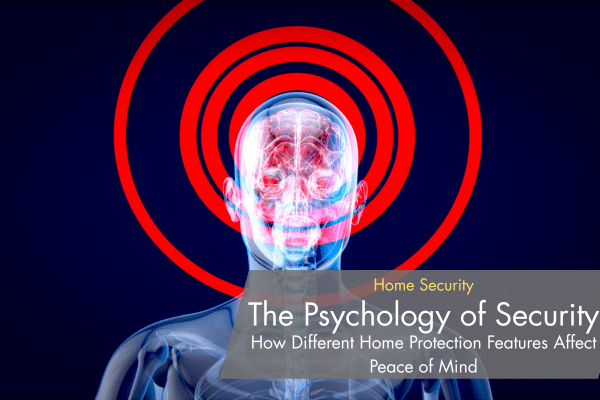
In the security industry, we often focus on the technical aspects of protection—sensor sensitivity, camera resolution, response times. But equally important is understanding how these systems influence our psychological well-being. Different security features affect our sense of safety in unique ways, often beyond their actual effectiveness at preventing crime.
The Visibility Factor
Throughout history, the way we symbolize protection has often hinged on visibility. Early societies embraced overt, tangible symbols of security—shields, armor, castle walls, and fortified gates. These weren’t just tools of defense; they were psychological deterrents, designed to visibly communicate strength and safety. A knight’s shield emblazoned with a family crest wasn’t just for defense—it told a story of allegiance, reputation, and readiness.
Fast-forward to the digital age, and the landscape of protection has largely shifted behind the scenes. We now rely on firewalls, encryption keys, antivirus software, and biometrics—intangible layers of security that operate silently in the background. While some of these systems have logos or icons (think padlocks in browser bars or fingerprint scans), they often lack the visceral, visible presence that historical symbols carried.
Visible Security
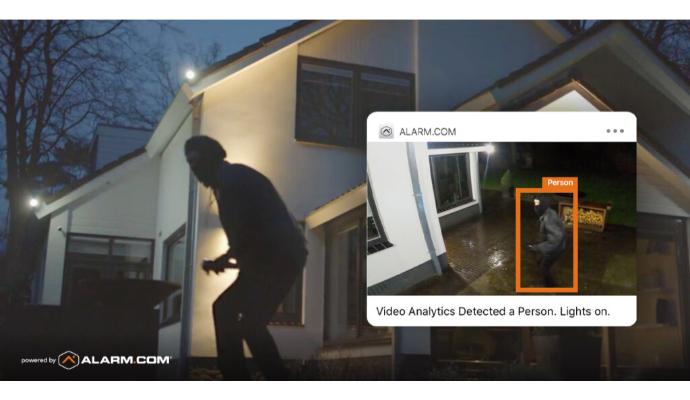
Security cameras, doorbell cameras, and yard signs create immediate psychological comfort through:
Constant reassurance: The visible reminder that “something is watching” provides ongoing comfort
Control sensation: Seeing security devices gives homeowners a feeling of command over their environment
Deterrent awareness: Knowing that potential intruders can see these measures creates confidence
Many homeowners report that simply being able to glance at security cameras brings significant peace of mind, regardless of how often they actually check the footage.
Invisible Security
Meanwhile, hidden security measures like motion sensors, glass-break detectors, and smart monitoring create different psychological effects:
Background confidence: The knowledge that protection exists without needing visual reminders
Normal living: Absence of visible security allows for a more relaxed home environment
Privacy preservation: No feeling of being surveilled in one’s own home
One client described this as “the freedom to forget about security while still being protected.”
The Smartphone Connection
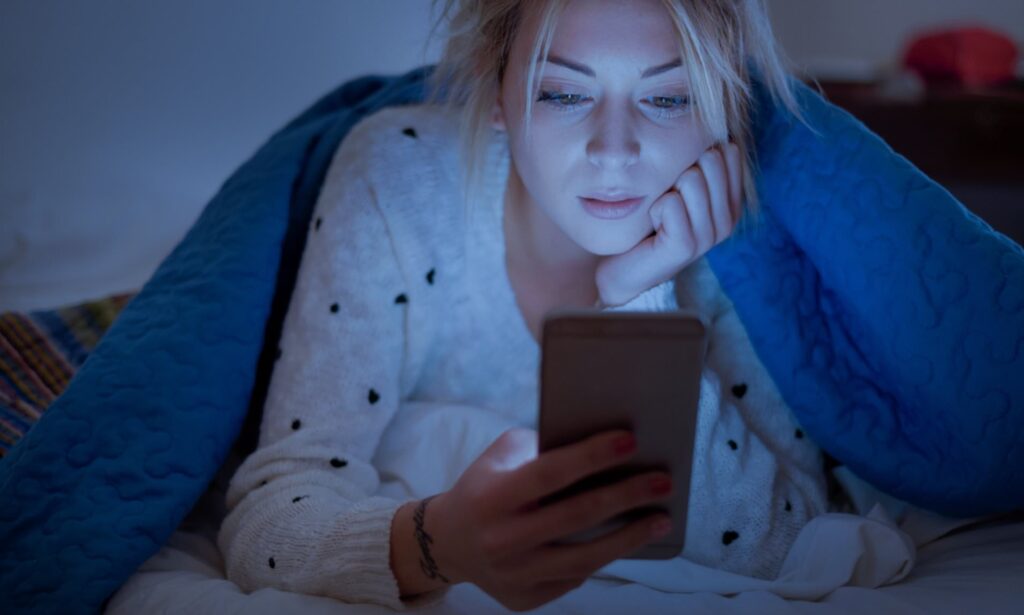
Modern security systems with mobile connectivity have dramatically changed our relationship with home protection:
The Positive
The Unexpected Negative
In our customer interviews, 64% report that mobile access significantly increases their peace of mind, while 23% admit to checking their security apps “more often than necessary.”
The Sound of Safety
Security systems communicate through sound, and these audio cues powerfully affect our sense of security:
Arming/Disarming Confirmations
Alert Sounds
One of our most interesting findings: systems with voice confirmation reduce security-related anxiety by approximately 37% compared to systems with basic beeps. Hearing as family or guests move through the home calms curiosity and also helps when young children are present.
The Lock Effect
Traditional locks and smart locks create distinctly different psychological responses:
Traditional Locks
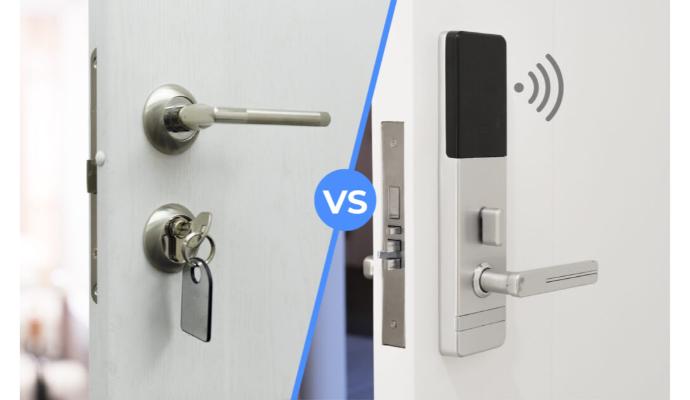
Smart Locks
Our surveys show that 72% of traditional lock users physically check their doors before bed, while only 38% of smart lock users verify through their apps—suggesting greater baseline trust in the technology.
The Perimeter Effect
How security is layered throughout a property significantly impacts psychological comfort:
Outer Perimeter (Fences, Gates, Landscape Lighting)
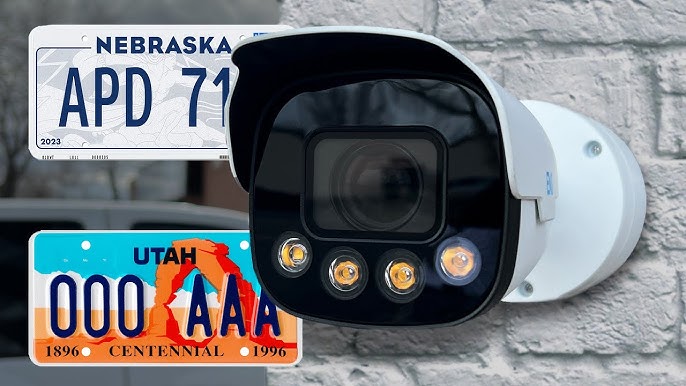
Middle Zone (Outdoor Cameras, Motion Lights)
Inner Sanctuary (Indoor Cameras, Motion Sensors)
Interestingly, research shows that upgrading outdoor security measures often provides a greater psychological boost than enhancing indoor systems, even though indoor protection might be technically more important during an actual break-in.
The Human Element
Perhaps the most significant psychological factor in home security is knowing whether a human is watching:
Self-Monitored Systems
Professional Monitoring
In follow-up interviews, professional monitoring subscribers report 58% lower security-related anxiety than self-monitored system users, particularly during vacations and overnight hours.
Applying Psychology to Protection: Building Peace of Mind at Home
Understanding the psychological side of home security isn’t just theoretical—it has real, practical applications.
Start by evaluating your own peace of mind: Are there specific areas of your home where you feel uneasy, even though you have security measures in place? Sometimes, the issue isn’t a lack of protection, but a lack of perceived protection. Striking the right balance between visibility and discretion can help—some elements, like a front door camera or a clearly marked security sign, can provide daily reassurance, while others may be more effective (and less stressful) when they operate quietly in the background. Creating healthy habits around monitoring is also key; aim for regular, intentional checks rather than reactive or compulsive behavior. Small touches—like naming devices and zones in ways that feel familiar or comforting—can also reduce anxiety. And if the responsibility of self-monitoring becomes overwhelming, professional services can offer not just coverage, but real psychological relief. At Sentry Security, we believe that protection goes beyond break-in prevention—it’s about cultivating a space where you feel truly at ease, both physically and emotionally.
Have more questions? We have answers.
817-632-4246
Looking for Assistance?
Have questions or want a free security assessment? Our team is ready to help.
New Security Systems
Schedule a consultation or system design
Existing Systems
Service, maintenance, and upgrades